News
N3.64 trillion single-day wipeout: what happened
The NGX suffered its worst trading day of 2026 on June 24, with BUA Cement and Dangote Cement hitting the 10% daily limit. We break down the trigger and.
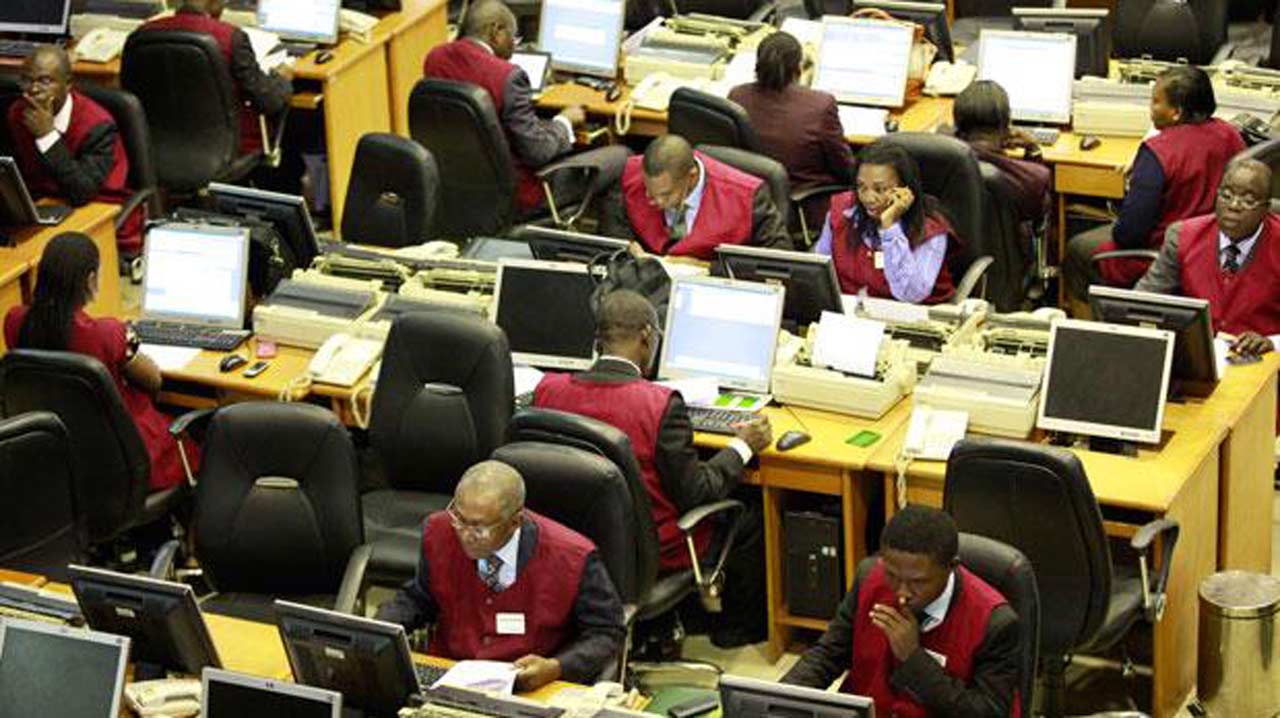
The Nigerian Exchange recorded its worst single trading session of 2026 on Wednesday, June 24, as ₦3.64 trillion in market capitalisation was wiped out in a broad selloff led by the Industrial Goods sector.
The numbers
| Metric | Value |
|---|---|
| Market cap loss | ₦3.64 trillion |
| ASI close | 232,049 (-3.1%) |
| Market cap | ₦148.9 trillion |
| ASI YTD return | +49.12% |
| ASI peak (May 12) | 252,508 |
The All-Share Index closed at 232,049, down 3.1% on the session and 8.1% below the all-time high of 252,508 reached on May 12. Despite the correction, the index remains up 49.12% year-to-date, reflecting the strong first-quarter rally.
The trigger: Industrial Goods crash
The Industrial Goods index fell 8.31% in a single session — the largest sectoral loss of the day. The trigger was simultaneous 10% daily limit hits on the two largest cement stocks:
- BUA Cement (BUACEMENT) — hit the lower circuit, halting trading
- Dangote Cement (DANGCEM) — also hit the 10% daily limit
Because DANGCEM is the most capitalised stock on the NGX, its movement alone can swing the entire market cap by hundreds of billions of naira. The double cement selloff was the direct cause of the ₦3.64 trillion headline figure.
Sector breakdown
| Sector | Session performance |
|---|---|
| Industrial Goods | -8.31% |
| Consumer Goods | -2.4% |
| Banking | -1.8% |
| Oil & Gas | +0.3% (resilient) |
| Insurance | Mixed (flat) |
The Oil & Gas sector was notably resilient, closing slightly green on the day. The rotation out of industrials and into oil stocks, which has characterised much of June, accelerated on this session. The Insurance sector was mixed but avoided the worst of the selloff.
What comes next
The key question is whether June 24 represents a one-off liquidity event (a large seller exiting cement positions) or the start of a broader correction from the May highs. Several data points will help answer that:
- Q2 earnings season — the upcoming Q2 earnings reports will provide fresh fundamental data. If DANGCEM and OTHER industrial names report strong Q2 volumes, the selloff may prove technical. If volumes are weak, the market may reprice further.
- Support levels — the ASI’s next technical support is at 225,000 (approximately 3% below the June 24 close). A break below that level would signal a deeper correction.
- Institutional flows — the selloff appeared concentrated in cement. If it broadens into Banking and Consumer Goods, the correction would take on a different character.
YTD context
Even after the wipeout, the NGX has delivered a +49.12% year-to-date return as of June 24 — still one of the best-performing equity markets globally in 2026. The pullback from the May all-time high now stands at 8.1%.
For context, the market added approximately ₦49 trillion in market capitalisation between January and May 2026. The ₦3.64 trillion June 24 wipeout recovers roughly 7.4% of those gains.
The bank recapitalisation tracker shows the Banking sector remains well-capitalised and liquid, which may provide a floor if the selloff broadens. The resilience of the Banking and Oil & Gas indices on June 24 suggests the correction is sector-specific rather than systemic — at least for now.
Frequently asked questions
Frequently asked questions
What caused the N3.64 trillion NGX wipeout?
BUA Cement and Dangote Cement both hit the 10% daily lower limit on June 24, dragging the Industrial Goods index down 8.31%. Because Dangote Cement is the most capitalised stock on the NGX, the double cement selloff wiped out N3.64 trillion in a single session.
Does a single-day wipeout mean a bear market?
Not on its own. The ASI closed at 232,049, still up 49.12% year to date. One broad selloff after a 49% rally is a correction until breadth and earnings confirm otherwise, so watch Q2 volumes and the 225,000 support level.
Where can I verify the ASI close and sector moves?
Check the NGX daily market report for June 24, 2026 on the Nigerian Exchange website, which publishes the official ASI close, market capitalisation and sector index performance for every trading session.
Verify: confirm the ASI close and sector losses in the NGX daily report on the NGX website.