Tutorials
How to participate in an NGX IPO: the full process
What an IPO is, how the offer period works, how to submit an application through a broker or issuing house, and what happens on allotment and listing day.
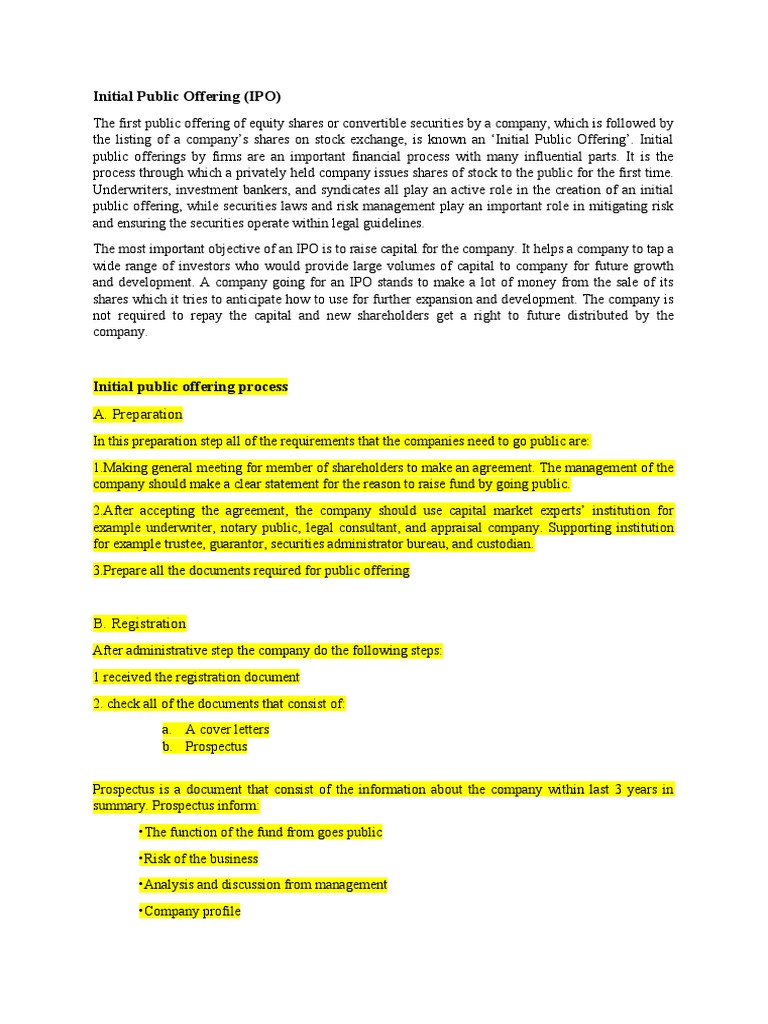
The highest-profile initial public offering in Nigerian stock market history is working its way through the regulator: Dangote Refinery filed its IPO application with the SEC on July 29, 2026, targeting about $5 billion. If you have never participated in an NGX IPO, this guide walks through the full process: what an IPO is, how the offer period works, and how your application becomes shares in your CSCS account.
What an IPO actually is
An initial public offering is when a company raises fresh capital by offering its shares to the public for the first time and secures a listing on the exchange. You submit an application during a fixed offer window, the company’s issuing house allocates shares, and they land in your CSCS account. That is the whole deal, stripped down.
There is a close cousin you will hear about: a listing by introduction, when existing shares are admitted to trading without raising new capital. AVA Capital arrived that way on July 31, 2026, with five billion ordinary shares admitted at N7.50. No offer, no allotment, just a new counter with an opening price.
Who can participate
Anyone with a funded brokerage account and a CSCS account. For the Dangote offer specifically, even Nigeria’s Pension Fund Administrators have been cleared to apply pension assets, thanks to a PenCom circular dated May 13, 2026. If your accounts are ready, the application itself is a paperwork exercise. Our CSCS account guide shows how to set up the account if you do not have one yet.
The step-by-step process
Participating in an NGX IPO
-
Read the prospectus when the offer opens
The prospectus is the official document: offer price, minimum application size, offer dates, allotment rules and the company’s financials. For the Dangote offer, expect it in September, ahead of the targeted October listing (Reuters). Never rely on summaries on social media; the prospectus is the contract.
-
Confirm your CSCS and brokerage accounts are ready
You need an active CSCS account and a broker that is registered to the offer. Most offers are routed through the brokers and issuing houses, so confirm your broker is a participant in the specific offer before the window opens.
-
Fund your trading account to cover the application
Your application comes with payment. The prospectus states the payment method, usually a transfer into the offer account with your application reference. Fund your account early so there is no last-minute scramble.
-
Submit the application through your broker or issuing house
Place the application with the number of shares you want, up to the stated maximum. For personal offers, one application per person is the norm; multiple applications under different names are usually disallowed and can get all of them rejected. Keep your application reference number.
-
Wait for allotment
After the offer closes, the issuing house processes allotments. If the offer is oversubscribed, applications are scaled back proportionally and refunds are issued for the excess. This can take a few weeks.
-
Watch for the shares in your CSCS account and the listing date
Allotted shares are credited to your CSCS account, and the stock lists on the NGX on the listing date. From that day you can trade it, and the exchange’s T+1 settlement applies, which we covered in the T+1 guide: settlement cycles now complete the next business day.
What happens after listing
The stock trades freely on the exchange at market prices. In the Dangote context, the July placement shares at $0.35 carry a 365-day lockup, so the large tranches will not be sellable for a year. Lockups exist to keep post-listing supply in check; the same logic applies to any offer.
Common mistakes
- Applying without reading the minimum application size. Small print in the prospectus, often overlooked, and it varies per offer.
- Sending payment without an application reference. Refunds are slow, and the offer team cannot attribute your money.
- Multiple applications in the same offer. Personal offers usually reject them outright.
- Treating oversubscription as a loss. A scaled-back allotment is normal in a popular offer; the refund covers the rest.
Frequently asked questions
Frequently asked questions
What is the minimum application size?
Each prospectus states its own minimum, usually in multiples of shares (for example lots of 100 or 1,000). There is no single Nigeria-wide rule; check the offer document.
What happens if the offer is oversubscribed?
The issuing house scales back allotments proportionally so the offer does not exceed the shares on sale. You get fewer shares than you applied for and a refund for the excess.
What is the difference between an IPO and a listing by introduction?
An IPO raises fresh capital through a public offer with a fixed offer price and an allotment process. A listing by introduction simply admits existing shares to trading at a market-opening price, as with AVA Capital on July 31, 2026.
When do I get my money back on an unsuccessful application?
Refunds are part of the allotment process and typically arrive within weeks of the closing date, via the same channel you paid through. The prospectus states the refund timeline.
Can a non-resident Nigerian participate in an NGX IPO?
Yes. The same rules apply: an active CSCS account, a participating broker with diaspora support, and a funded account. The application itself does not care which country you are in, but funding time and bank instructions matter, so start early.
Verify: read the offer prospectus when published and track IPO approvals on the SEC Nigeria website.