Tutorials
Setting up a dollar-cost averaging plan for NGX
With the NGX down 8% from its May 2026 peak, a structured dollar-cost averaging approach helps manage entry timing. Here is how to set one up using.
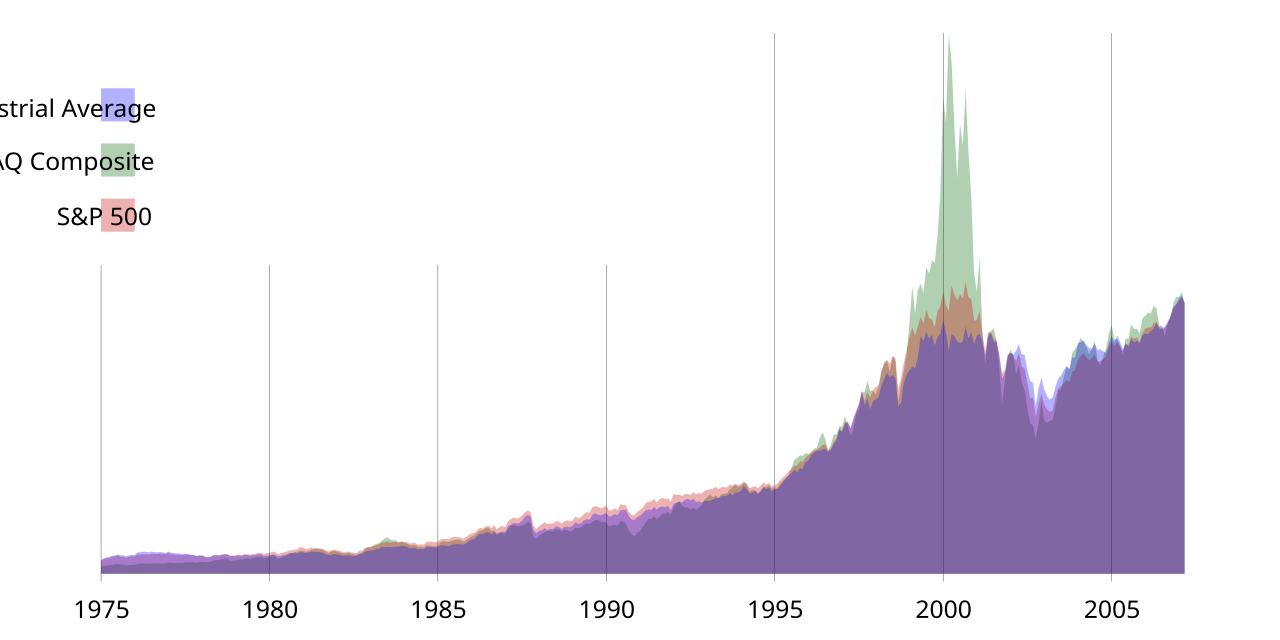
The NGX All-Share Index closed at 232,049 — down 8.1% from the 252,508 all-time high recorded in May 2026. When markets pull back, the question is always whether to wait for a bottom or start allocating now. A dollar-cost averaging (DCA) plan removes the guesswork.
What dollar-cost averaging is
DCA means allocating a fixed amount at regular intervals regardless of the share price. When the price is lower, your fixed allocation acquires more units. When the price is higher, you acquire fewer. Over time, your average cost per unit may end up lower than the average market price — the mechanic is sometimes called “cost averaging” for this reason.
It does not require timing the market. It only requires consistency.
How to set up DCA with a stockbroker
Most Nigerian brokers support standing-order funded plans. Here is how to wire one up.
Setting up a DCA plan with a broker
-
Choose a schedule and amount
Decide on a monthly allocation that fits your cash flow — ₦25,000, ₦50,000, ₦100,000, or any amount that is sustainable. Monthly intervals work well because they align with salary cycles and make tracking straightforward.
-
Set up a standing order from your bank
Log in to your bank app and create a standing order that transfers your chosen amount to your brokerage account on a fixed day each month (e.g. the 5th). This automates the funding side so you never need to remember.
-
Pick the stocks or funds
Select the NGX30 stocks or broad-based mutual funds you want to allocate to. A common starter basket is GTCO, MTNN, and DANGCEM — these three cover banking, telecoms, and industrials. You can also use a single NGX30 index fund for maximum diversification.
-
Place the first trade manually, then repeat
On funding day, place your trade. For month two, the standing order funds the account, and you place again. Some brokers offer auto-debit trading features — check whether yours does. If not, a 5-minute monthly manual trade is enough.
How to set up DCA with Cowrywise
Cowrywise is a digital asset management platform that offers mutual funds. Its model works well for DCA because you define a savings goal, link a bank account, and the platform auto-debits you on schedule.
Setting up a DCA plan with Cowrywise
-
Create a goal
In the Cowrywise app, create a new savings goal. Name it something like “NGX DCA Plan” and set the target and duration — these are internal guideposts; you can adjust them later.
-
Select NGX-focused funds
Choose one or more mutual funds that track Nigerian equities. Cowrywise offers funds from ARM, Stanbic IBTC, and Meristem. The value here is that a single fund gives you exposure to a basket of NGX stocks without managing individual tickers.
-
Set auto-funding
Select the frequency (monthly works well), the amount, and the debit date. Cowrywise handles the rest — it deducts from your linked bank account and allocates to the fund automatically.
What to allocate to
The simplest DCA basket is NGX30 stocks. The NGX30 index tracks the 30 largest companies by market capitalisation on the exchange — GTCO, MTNN, DANGCEM, Zenith Bank, Nestle, and others. Allocating a fixed monthly sum across these gives you broad market participation without stock-picking.
Alternatively, broad-based mutual funds (from ARM, Stanbic IBTC, Meristem) hold the same NGX stocks in professionally managed proportions. The trade-off: you pay a management fee (usually 1–2% p.a.) in exchange for zero rebalancing effort.
Example: ₦50,000/month DCA plan
| Allocation | Ticker | Monthly amount |
|---|---|---|
| 40% Banking | GTCO | ₦20,000 |
| 30% Telecoms | MTNN | ₦15,000 |
| 30% Industrial | DANGCEM | ₦15,000 |
After 12 months at consistent pricing, you would hold approximately ₦600,000 in total positions, with an average cost that reflects the highs and lows of each monthly entry point.
Tracking your results
Your CSCS account on the Verona portal shows every holding and its average cost. You can also use a simple spreadsheet: column A = date, column B = amount allocated, column C = units acquired, column D = cumulative average price. After six entries, the average starts to mean something useful.
For help reading the financials of the stocks you are allocating to, see our guide to reading NGX earnings reports.
A DCA plan is not about catching the bottom. It is about showing up each month, allocating consistently, and letting time smooth out the price volatility that worries most participants on single-entry trades. Start with a sustainable amount, automate the funding, and check in once a quarter.
Common mistakes and how to avoid them
- Treating the app as the market. Your broker or fintech shows a price, but settlement, ownership, and corporate actions sit with CSCS. If you skip the CSCS step you own the display, not the asset. Use our CSCS guide to confirm the account that actually holds the securities.
- Mixing up yield and return. A T-bill yield, a money market rate, and a stock dividend yield are quoted differently and land at different times. Map each to when cash actually hits your account using the Treasury bills starter and the FGN Savings Bonds walkthrough.
- Forgetting the settlement clock. Since June, NGX trades settle on T plus 1. If you sell to fund a new purchase, the cash is not instant. Check settlement timing in our T plus 1 explainer before you chain trades.
Keep a single checklist for every new product: where the asset is held, when cash settles, what fees apply, and where you verify the quote. Run that four-point check and most of the avoidable errors disappear.
Frequently asked questions
Where can I verify the numbers you quote?
Check the NGX disclosure or the CBN data page for the date we cite. Every figure in this note is tied to its source so you can confirm it independently.
Do I need to act immediately on this update?
No. Use the levels as reference points and confirm the latest price, settlement date, and corporate action timeline with your broker or CSCS before you act. Our how to apply for an IPO guide walks through the verification steps.