Tutorials
How T+1 settlement changes your NGX trading (2026)
Nigeria became the first African market to adopt T+1 settlement on June 1 2026. Here is what the faster settlement cycle means for your trades, dividends.
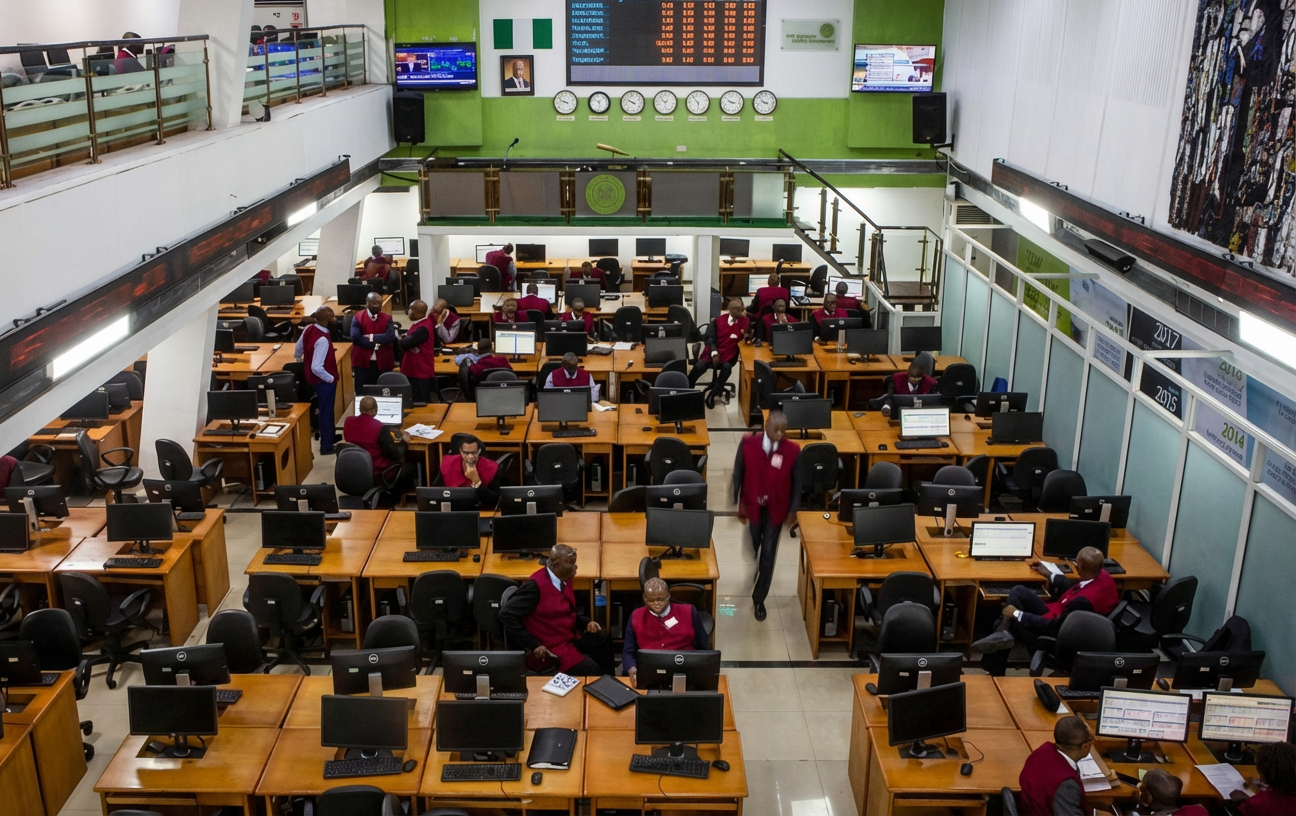
On June 1 2026, the Nigerian Exchange (NGX) became the first African market to move from a T+3 settlement cycle to T+1 settlement. That means any trade executed today settles the next business day — not three days later.
The change was led by the Central Securities Clearing System (CSCS) Plc and the NGX, aligning Nigeria with major global markets like the US (which moved to T+1 in May 2024) and India.
What changed on June 1 2026
Under the old T+3 system, when you executed a trade on Monday, the shares appeared in your CSCS account and the cash hit your broker account on Thursday (3 business days later).
Under T+1, that same trade settles on Tuesday — the next business day.
| Milestone | Old (T+3) | New (T+1) |
|---|---|---|
| Trade date (T) | Monday | Monday |
| Settlement date (S) | Thursday | Tuesday |
| Shares in CSCS account | Thursday | Tuesday |
| Proceeds available | Thursday | Tuesday |
| Dividend record date cutoff | 3 days before ex-date | 1 day before ex-date |
Impact on your trading
What changes from June 1
-
Cash is available faster
When you close a position, the proceeds land in your broker account the next business day instead of waiting three days. If you sell on Monday, you can withdraw or reallocate the proceeds on Tuesday.
This matters for active traders who move capital between positions frequently. The three-day wait under T+3 often meant missed opportunities.
-
Dividend capture dates shift
The ex-dividend date and the record date are now one day apart instead of three. Under T+3, you needed to have owned the stock three days before the record date to receive the dividend. Under T+1, you need to own it just one day before.
If you are tracking dividend-paying stocks, update your dividend calendar to account for the compressed window. The risk of buying a stock and missing the dividend record by one day is now lower.
-
Fund settlement requires same-day planning
With T+1, you need funds in your broker account by the end of trade day to avoid a failed settlement. Under T+3, you had a three-day grace period to move money around. That cushion is gone.
Most brokers now require you to have cleared funds in your trading account before you place an order. If you deposit money the same day, confirm with your broker whether it is cleared for T+1 settlement or needs an extra day to process.
What stays the same
Not everything changed. The following remain unaffected:
- NGX trading hours — still 9:30 AM to 2:30 PM (Monday to Friday), with a final closing auction.
- Order types — limit orders, market orders, and stop-loss orders all work as before.
- Broker commission rates — NGX-regulated fees (approximately 1.35%–1.5% per trade including CSCS, stamp duty, and VAT) are unchanged.
- CSCS account structure — your CSCS account number, CHN, and Verona portal all continue as-is.
- e-Dividend — dividend payments still route directly to your bank account.
What this means for Bamboo users
If you trade NGX stocks through Bamboo, the app handles settlement in the background. You do not need to take any action. However, you may notice that:
- Withdrawals from NGX stock sales now process one day faster.
- Your available-to-trade balance updates the next business day after a trade closes.
Frequently asked questions
Frequently asked questions
What happens if I do not have funds for settlement by T+1?
Your broker may reject the trade or place a restriction on your account. Under the old T+3 system, brokers occasionally allowed a grace period. With T+1, most brokers enforce stricter pre-funding requirements to avoid failed trades. Always confirm your available balance before placing an order.
Does T+1 affect how dividends are paid?
The dividend amount and payment date do not change. Only the cutoff window between the ex-dividend date and record date has compressed from three days to one. Your dividend still arrives on the scheduled payment date via e-Dividend or your broker.
Do I need to update my CSCS or Verona account for T+1?
No. The shift from T+3 to T+1 is a backend change at CSCS and NGX. Your CSCS account, Verona login, and e-Dividend enrolment all continue working as before. No action is required on your end.
Will T+1 ever become T+0 (same-day settlement)?
Global markets are discussing same-day settlement as a long-term goal. The US Securities and Exchange Commission has signalled interest in T+0 by 2028. NGX and CSCS have not announced a T+0 timeline, but T+1 is considered the necessary foundation for it.
Common mistakes and how to avoid them
- Treating the app as the market. Your broker or fintech shows a price, but settlement, ownership, and corporate actions sit with CSCS. If you skip the CSCS step you own the display, not the asset. Use our CSCS guide to confirm the account that actually holds the securities.
- Mixing up yield and return. A T-bill yield, a money market rate, and a stock dividend yield are quoted differently and land at different times. Map each to when cash actually hits your account using the Treasury bills starter and the FGN Savings Bonds walkthrough.
- Forgetting the settlement clock. Since June, NGX trades settle on T plus 1. If you sell to fund a new purchase, the cash is not instant. Check settlement timing in our T plus 1 explainer before you chain trades.
Keep a single checklist for every new product: where the asset is held, when cash settles, what fees apply, and where you verify the quote. Run that four-point check and most of the avoidable errors disappear.
Verify: read the T+1 migration circulars on the NGX website.
T+1 settlement makes the NGX faster and more aligned with global standards. For most retail traders, the biggest practical change is that cash from trades is available the next day rather than waiting three. Update your settlement expectations, and your trading routine will adapt naturally.