Tutorials
How the NGX sector indices work and what they
The NGX sector indices — Oil & Gas (+111% YTD), Banking (+35%), Insurance (-1.75%) — reveal where capital is flowing. Here is what each index measures and.
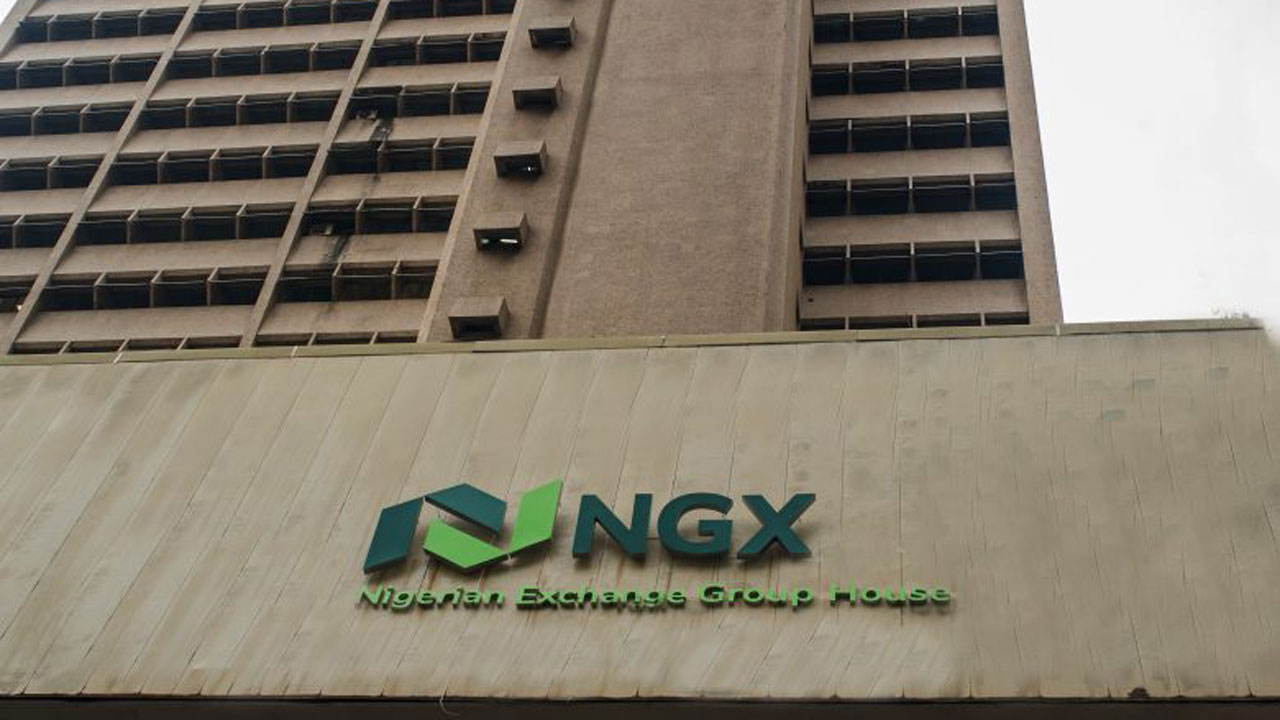
The NGX tracks five main sector indices. Each measures the price performance of companies operating in a specific industry segment on the exchange. They are useful because they reveal where capital is rotating — and where it is exiting — faster than the headline All-Share Index alone.
How the NGX calculates sector indices
Each sector index is a market-capitalisation-weighted basket. The larger a company’s market cap within its sector, the more influence its price movement has on the sector index value.
The base values are set at 100 as of the rebalancing date, and the indices float freely. When a company moves between sectors (e.g. due to a restructuring), the index is rebalanced to reflect the change.
The five main sector indices
Oil & Gas (+111% YTD)
The strongest performer on the NGX in 2026. The rally is driven by two forces: ARADEL’s extraordinary revenue growth (1,200% over five years, fuelled by the LPG value chain expansion) and the Dangote Refinery listing catalyst — even ahead of the actual listing, the sector is pricing in the refinery’s expected scale.
ARADEL alone accounts for a large weight in this index, so its price action dominates the sector’s movement.
Banking (+35% YTD)
The Banking index tracks Tier-1 and Tier-2 banks listed on the NGX, including GTCO, Zenith, Access Holdings, UBA, and FBNH. The 35% year-to-date gain reflects the completion of the CBN recapitalisation cycle — the Nigerian bank recapitalisation tracker shows which banks have met their new capital requirements and how the market has re-rated them.
Trading volumes in the Banking index regularly exceed every other sector combined. It is the most liquid sector on the exchange.
Industrial Goods
Home to DANGCEM, BUA Cement, Lafarge Africa, and other industrials. This index was the best-performing sector in 2025 but has been volatile in 2026, especially after the June 24 selloff that saw BUA Cement and Dangote Cement both hit the 10% daily limit in a single session (see: N3.64 trillion wipeout coverage).
The sector’s weighting is dominated by DANGCEM, which remains the most capitalised stock on the exchange.
Consumer Goods
Nestle, Flour Mills, Nigerian Breweries, Unilever, PZ Cussons, and others. This index has been under pressure as inflation erodes consumer purchasing power and input costs rise. The sector is a laggard relative to Oil & Gas and Banking, though individual stocks have diverged — Nestle’s pricing power has protected margins better than peers.
Insurance (-1.75% YTD)
The only sector index in negative territory year-to-date at -1.75%. The decline is driven by two factors:
- Fortis suspension — the SEC suspended Fortis Insurance, creating contagion concern across the sector.
- Capital rotation — institutional capital has rotated from Insurance (+75% in 2025) into Oil & Gas and Banking in 2026, compressing Insurance valuations.
How to use sector indices for allocation decisions
Sector indices answer three questions:
- Where is capital flowing? If Oil & Gas is up 111% and Insurance is down, you can see the rotation.
- What is my allocation concentration? If your personal holdings are all in Banking (+35%), you may want to check whether that concentration is intentional.
- What is driving the market? When the ASI drops 8.1% from its peak, was it broad or sector-specific? (It was Industrial Goods-led — the June selloff was concentrated in cement stocks.)
Banking sector deep-dive: the largest sector
The Banking index is worth special attention because of its liquidity and the ongoing recapitalisation story. The Tier-1 banks (FUGAZ) have completed capital raises and are now reporting their first full quarters under the new capital baselines. The bank recapitalisation tracker tracks each bank’s progress, and the Q2 earnings season preview lays out what to watch in their upcoming interim reports.
If you want to track a single number for the Nigerian equities market, the Banking index is that number. It handles more volume than all other sectors combined and reflects the real economy — lending activity, interest margins, and credit quality — better than any other single metric on the NGX.
Sector indices do not tell you which stock to hold. They tell you what the market is doing and where the weight of money sits. That context is useful before making any allocation decision — and it is free, published daily on the NGX website.
Common mistakes and how to avoid them
- Treating the app as the market. Your broker or fintech shows a price, but settlement, ownership, and corporate actions sit with CSCS. If you skip the CSCS step you own the display, not the asset. Use our CSCS guide to confirm the account that actually holds the securities.
- Mixing up yield and return. A T-bill yield, a money market rate, and a stock dividend yield are quoted differently and land at different times. Map each to when cash actually hits your account using the Treasury bills starter and the FGN Savings Bonds walkthrough.
- Forgetting the settlement clock. Since June, NGX trades settle on T plus 1. If you sell to fund a new purchase, the cash is not instant. Check settlement timing in our T plus 1 explainer before you chain trades.
Keep a single checklist for every new product: where the asset is held, when cash settles, what fees apply, and where you verify the quote. Run that four-point check and most of the avoidable errors disappear.
Frequently asked questions
Where can I verify the numbers you quote?
Check the NGX disclosure or the CBN data page for the date we cite. Every figure in this note is tied to its source so you can confirm it independently.
Do I need to act immediately on this update?
No. Use the levels as reference points and confirm the latest price, settlement date, and corporate action timeline with your broker or CSCS before you act. Our how to apply for an IPO guide walks through the verification steps.
Verify: compare sector index levels on the NGX website.